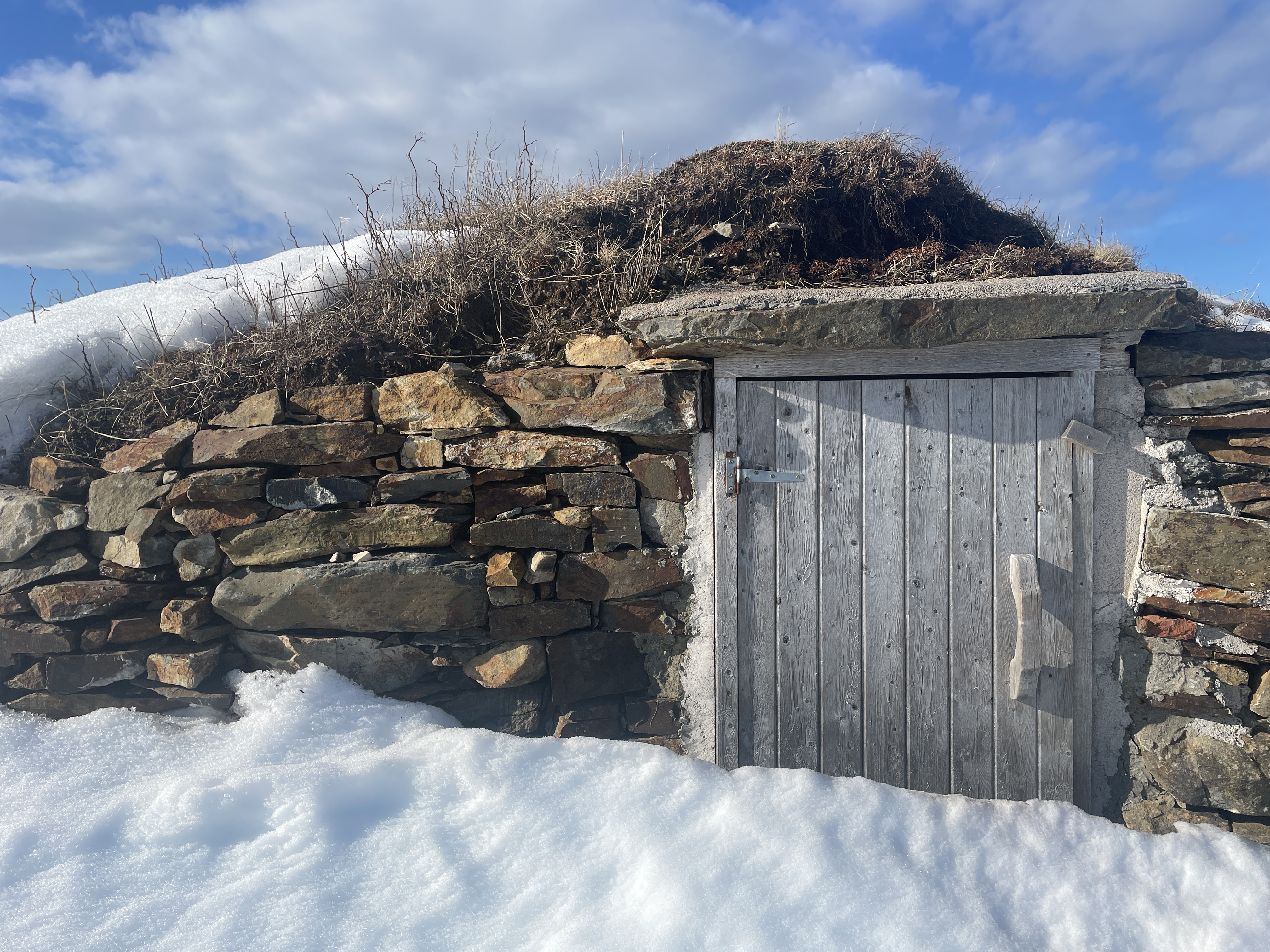
Zone-by-Zone Temperature Guide for Root Cellars
How temperature gradients inside a cold room affect storage duration, and how to map different zones to the needs of each crop group.
Read article →Humidity setpoints, ethylene separation, and long-keep varieties for cold rooms in Canada. Practical notes compiled from publicly available agricultural guidance.
Quick Reference
The table below summarises target temperature and relative humidity ranges for common root vegetables. These figures reflect guidance from OMAFRA and Agriculture Canada publications.
Carrots & Parsnips
0 – 1 °C
90–95 % RH · near-freezing, high moisture
Potatoes
3 – 4 °C
90–95 % RH · dark, stable environment
Winter Squash & Pumpkin
10 – 13 °C
50–70 % RH · cool, relatively dry
Apples (long-keep)
0 – 2 °C
90–95 % RH · isolated from vegetables
Cabbages
0 – 1 °C
90–95 % RH · ventilate odours separately
Onions & Garlic
0 – 2 °C
65–70 % RH · dry storage, good airflow
Articles
Three focused pieces covering temperature management, atmospheric separation, and variety selection for Canadian cold rooms.
How temperature gradients inside a cold room affect storage duration, and how to map different zones to the needs of each crop group.
Read article →Why moisture control and ethylene-producing crops must be managed separately, and practical approaches for mixed-produce cellars.
Read article →
Which cultivars hold well across Canadian winter conditions, based on trial data and regional grower reports from Ontario, Quebec, and the Prairies.
Read article →About This Resource
Cold room management sits at the intersection of refrigeration physics, crop physiology, and structural design. In Canada, the challenge is amplified by wide seasonal swings — cellars that work well in October may need active adjustment by February, particularly in Prairie climates where outdoor temperatures regularly dip below −30 °C.
These notes draw on publicly available material from Agriculture and Agri-Food Canada, the Ontario Ministry of Agriculture, Food and Rural Affairs (OMAFRA), and peer-reviewed horticultural literature. No statistics are fabricated; where precise figures are unavailable, ranges are given.
About this resource →Questions about cold room conditions or corrections to the reference data can be sent below.